
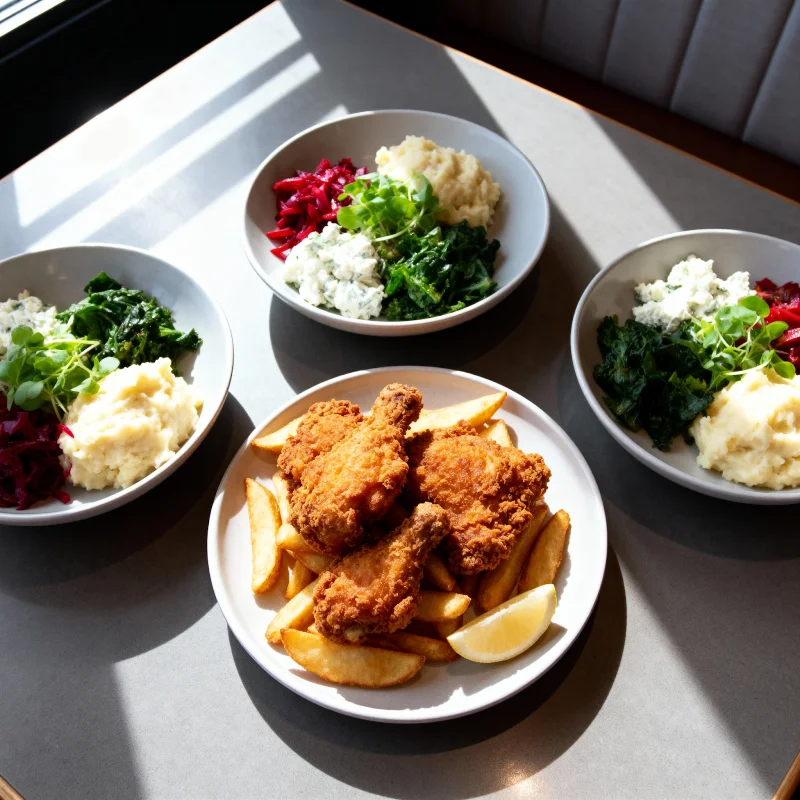
A perfect family meal consists of three essential components in specific proportions: half the plate filled with colorful vegetables, one-quarter with lean proteins like chicken or fish, and one-quarter with whole grains, creating balanced nutrition that supports growth, energy, and lifelong healthy eating habits.
Building a perfect family meal means creating balanced plates that nourish every family member while bringing everyone together around the table. This balanced approach, when shared together at least three times weekly, creates meaningful connections while providing essential vitamins, minerals, and nutrients that help maintain healthy weights and develop positive eating habits that extend far beyond the dinner table.
Key Takeaways
- Build balanced plates using three essential components: fill half with colorful vegetables, one-quarter with whole grains, and one-quarter with lean proteins.
- Adjust portion sizes by age: toddlers need child-sized plates, school-age children require palm-sized portions, and teenagers need adult-sized servings.
- Serve vegetables consistently at every meal, rotating colorful varieties including dark greens, orange carrots, and cruciferous options for optimal nutrition.
- Plan meals weekly to reduce stress and ensure families consume the recommended 2-3 cups of vegetables daily per member.
- Regular family meals improve nutrition, strengthen relationships, and teach children to recognize natural hunger and fullness cues.
Why Family Meals Matter for Nutrition and Well-being
When families gather around the table to share meals together, they create powerful opportunities that extend far beyond simply satisfying hunger. These shared dining experiences serve as essential moments for nourishing family bonds while providing significant nutritional advantages, including increased consumption of fruits, vegetables, calcium, and iron.
Regular family meals help maintain healthier weight ranges, reduce disordered eating behaviors, and teach children to recognize their natural hunger and fullness cues more effectively. Beyond physical health, these gatherings provide a structured time to cultivate meaningful connections through conversation, emotional support, and strengthened relationships that help protect against depression and stress.
Research shows that approximately half of families share meals together seven or more times per week, demonstrating how this practice has become a cornerstone of daily family life.
The Essential Components of a Balanced Plate
Understanding which food groups belong on your family’s plates and how much each person should eat based on their age and activity level lays the foundation for meals that nourish everyone at the table. The traditional division of protein, carbohydrates, and vegetables creates a structure that supplies the energy your children need for school and play.
Three Food Groups Matter
Building a nutritious family meal starts with understanding that three essential food groups work together to create a balanced plate, each contributing unique nutrients that support growth, energy, and long-term health.
- Vegetables (Half the Plate): Deliver vitamins A and C along with fiber. Include colorful options like dark greens, red peppers, and orange carrots.
- Whole Grains (One Quarter): Provide sustained energy through brown rice, quinoa, and oats, supplying carbohydrates for busy days.
- Lean Proteins (One Quarter): Build strong muscles and bones with fish, poultry, beans, and tofu while supporting essential body repairs.
Aim for at least 5 portions of a variety of fruit and vegetables throughout the day to meet nutritional guidelines.
Portions for Every Age
A toddler’s nutritional needs differ dramatically from those of a teenager. Proper portions for toddlers start with child-sized plates holding roughly ½-cup servings of vegetables and grains, while preschoolers graduate to slightly larger 7-9-inch plates.
School-age children benefit from palm-sized portions of protein and 4-5 servings of fruits and vegetables daily. Teenagers require adult-sized portions with 6-7 grain servings and deck-of-cards protein portions to fuel rapid growth spurts and demanding schedules.
| Age Group | Plate Size | Protein Portion | Vegetable Servings |
| Toddlers (1-3) | Child-sized | ½ cup | 2-3 servings |
| Preschoolers (4-5) | 7-9 inches | ½ cup | 3-4 servings |
| School-Age (6-12) | 9 inches | Palm-sized | 4-5 servings |
| Teenagers (13-18) | Adult-sized | Deck of cards | 5-7 servings |
Choosing Quality Proteins for Your Family Table
When families gather around the dinner table, the protein at the center of each plate plays a critical role in fueling growing bodies and supporting active lifestyles. Lean meats like chicken breast and turkey offer high protein with minimal fat, while fish provides omega-3 fatty acids that support heart and brain health.
Eggs deliver complete protein with all essential amino acids, vitamins, and minerals in one affordable package. Plant-based options like chickpea curry and tofu dishes contribute protein plus fiber, creating satisfying meals that accommodate different dietary preferences within your family.
Selecting the Right Starches and Whole Grains
Every family meal deserves a foundation of nutritious starches and whole grains that fuel your loved ones throughout busy days, providing steady energy, essential nutrients, and satisfying flavors. Understanding nutrient profiles helps you select appropriate options for your family’s needs.
Brown rice, whole-wheat pasta, and steel-cut oatmeal replace refined alternatives with vitamins, minerals, and other beneficial nutrients that support cardiovascular health and weight management. Exploring different grains opens exciting culinary possibilities, from nutty quinoa salads to creamy oat porridges, while baking with whole-grain flours transforms everyday pancakes and muffins into nutrient-dense family favorites.
Getting More Vegetables Into Every Meal
Increasing vegetable consumption at family meals requires strategic planning, consistent serving habits, and the presentation of a diverse array of colorful options that appeal to children’s preferences. Research demonstrates that parents who consume vegetables frequently and serve them at regular family dinners at least three times per week can significantly increase their children’s vegetable intake.
Serve Vegetables Consistently Daily
Establishing a consistent routine of serving vegetables at every meal creates lasting nutritional habits that benefit children and adults alike. When families place colorful produce directly on dinner plates alongside proteins and starches, children naturally become familiar with a variety of vegetables.
Parents should aim for the recommended 2 to 3 cups of vegetables daily per family member, incorporating dark green options like spinach and broccoli, vibrant red and orange choices such as bell peppers and carrots, and starchy vegetables including corn and potatoes, throughout the week.
Offer Colorful Vegetable Variety
When families introduce vegetables in a rainbow of colors throughout their weekly meals, each vibrant hue delivers a unique set of nutrients and protective plant compounds. Dark leafy greens like spinach and kale provide vitamins B and C, while deep orange carrots deliver beta carotene that supports vision and immune function.
Cruciferous vegetables, including broccoli, cauliflower, and Brussels sprouts, are high in fiber, which aids digestion and reduces disease risk. By rotating through different vegetables prepared by roasting, grilling, or steaming, families introduce beneficial compounds that combat inflammation and protect against heart disease.
Planning and Preparing Home-Cooked Family Dinners
Strategic weekly planning reduces daily decision fatigue and stress. Select recipes based on your family’s schedule, preferences, and nutritional needs, creating a roadmap that makes dinnertime manageable.
Scheduling meal prep sessions on weekends lets you wash, chop, and portion ingredients in advance, turning weeknight cooking from a rushed scramble into a manageable fifteen-to-thirty-minute assembly process. This approach, combined with batch-cooking staples like grains and proteins, ensures that most of your evening meals stay home-cooked and nutritious.
Simple Weekly Planning Steps
- Dedicate 15 minutes each weekend to outlining dinners for the upcoming week
- Select recipes that include all three food groups (protein, starch, and vegetables)
- Prepare a shopping list based on your meal plan
- Prep ingredients on less hectic evenings or weekends
- Use frozen vegetables for convenience without sacrificing nutrition
Overcoming Common Barriers to Balanced Meals
Real-world obstacles ranging from chaotic schedules to limited cooking confidence create frustrating barriers that prevent many households from achieving their shared mealtime goals. Establishing consistent dinner times that accommodate work commitments and extracurricular activities helps overcome scheduling conflicts.
| Common Barrier | Practical Solution |
| Schedule conflicts | Establish fixed dinner times that work for everyone |
| Picky eaters | Offer customizable meal components and involve kids in meal planning |
| Limited cooking skills | Start with simple three-component recipes and build confidence |
| Time pressure | Use meal prep and batch cooking strategies |
Conclusion
Building balanced family meals takes planning and effort, but the rewards extend far beyond nutrition. When families gather around plates filled with quality proteins, wholesome starches, and colorful vegetables, they create opportunities for connection, conversation, and lasting memories.By consistently implementing these strategies, parents can establish healthy eating patterns that children will carry into adulthood. Start today by planning your weekly meals, filling half your plates with vegetables, and committing to regular family dinners. At Dixie Lee Fried Chicken, we understand the importance of quality ingredients and family traditions—let us help make your family mealtime special while you focus on what matters most: spending time together around the table.