
Fried chicken catering for events means ordering 2–3 weeks in advance, planning portions at 3–4 pieces per person, arranging delivery or pickup based on your event timeline, and understanding how to keep food hot from restaurant to table. Whether you’re feeding 25 people at a company meeting or 300 at a community event, fried chicken catering works because it travels well, tastes good at room temperature, and gives you one less thing to worry about.
Event planning is stressful. You’re managing timelines, guest counts, logistics, and fifty other details. Food should simplify that stress, not add to it.
Chicken catering near me searches usually mean someone’s tired of cooking for crowds or paying premium catering prices for mediocre food. Best tasting fried chicken in Sylvan Lake becomes “catering option” when you realize a restaurant can solve your biggest problem: feeding people well without your effort.
This guide walks you through catering portions, how far in advance to order, pickup versus delivery logistics, keeping food hot, and what to expect from a professional fried chicken caterer.
Get started with catering by contacting our Sylvan Lake location or reaching out directly.
Catering Portions: How Much to Order
This is where most people mess up. They guess. They order too much (waste money) or too little (look stingy or run out of it).
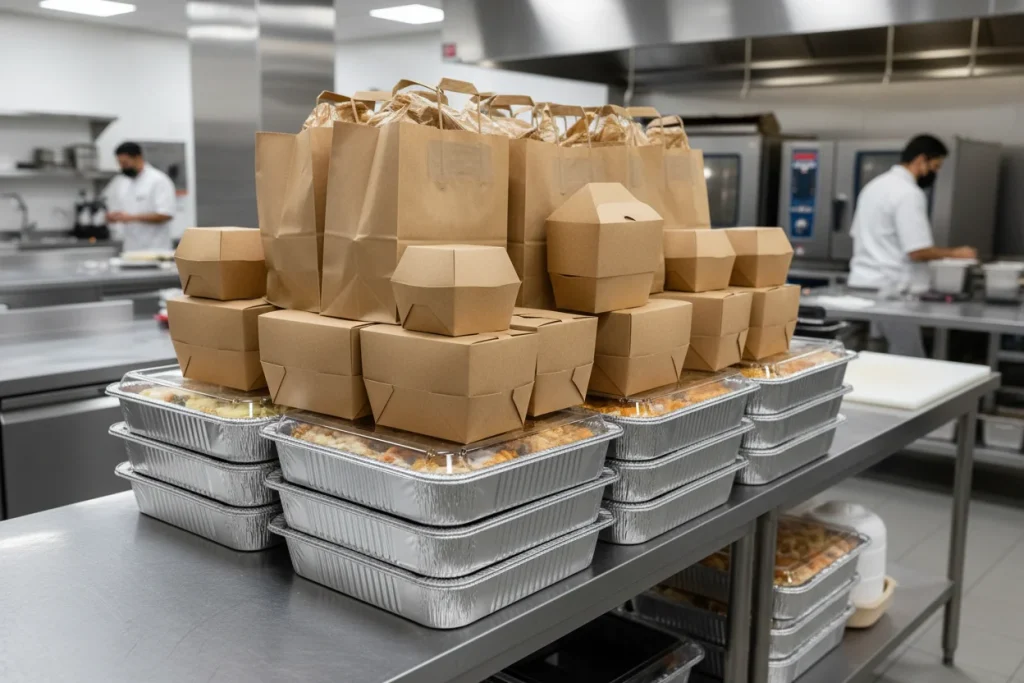
For catering, plan 3–4 pieces of fried chicken per person as your main protein. This accounts for different appetites and ensures nobody leaves hungry. Add sides at 1 ladle per person. For events longer than 2 hours, add 10% extra buffer.
Here’s the math:
Event for 50 people:
- Main: 50 people × 3.5 pieces = 175 pieces (about 15–16 pounds, depending on cut mix)
- Sides: 50 ladles across 2–3 sides = 3–4 large containers
- Specialty: Wings, poutine, or salad as extras
Event for 100 people:
- Main: 100 × 3.5 = 350 pieces
- Sides: 100 ladles = 6–8 large containers
- Specialty: Additional items
Event for 250 people:
- Main: 250 × 3.5 = 875 pieces
- Sides: 250 ladles = 15–20 large containers
- Specialty: Major secondary items
The formula scales. Adjust the multiplier based on your event:
- Lunch meeting (higher appetite): 4 pieces per person
- Afternoon event (lighter appetite): 2.5 pieces per person
- Evening event (appetizer-focused): 2 pieces per person
- All-day event (grazing, multiple meals): 5 pieces per person
| Guests | Chicken Pieces | Side Containers | Cost Range | Advance Notice |
| 25–50 | 90–175 | 1–3 | Lower | 1–2 weeks |
| 51–100 | 180–350 | 3–6 | Mid | 2–3 weeks |
| 101–250 | 350–875 | 6–15 | Higher | 3–4 weeks |
| 250+ | 875+ | 15+ | Highest | 4+ weeks |
Timing: When to Order, When to Pick Up/Deliver
Catering timing is about more than just “order food for the event.” It’s about fresh food arriving hot when you need it.
Order catering 2–3 weeks in advance. This gives the restaurant time to staff properly and source ingredients. Schedule pickup or delivery 30 minutes before guests eat (food stays hot on that timeline). For early-morning events, arrange early pickup with overnight storage.
The timeline:
3 Weeks Out
- Contact the catering manager
- Confirm your headcount and event details
- Book your date
- Discuss the menu and any dietary restrictions
2 Weeks Out
- Submit the final head count and menu choices
- Arrange payment (deposit often required)
- Confirm delivery address and timeline
1 Week Out
- Confirm all details in writing
- Share any last-minute dietary needs
- Finalize payment
Event Day
- Arrange arrival/pickup 30 minutes before serving time
- Set up serving stations while the food is still hot
- Keep any backups warm in the oven at 170°F
| Timing Phase | Action | Importance |
| 3 weeks prior | Book order | Ensures availability |
| 2 weeks prior | Final headcount | Locks in portions |
| 1 week prior | Confirm details | Prevents day-of surprises |
| Event morning | Arrange arrival | Food arrives hot and fresh |
| During event | Keep backup warm | Ensures hot food if needed |
Delivery vs. Pickup: Which Works for Your Event
Both options work. The choice depends on your location, your available bandwidth, and your event setup.
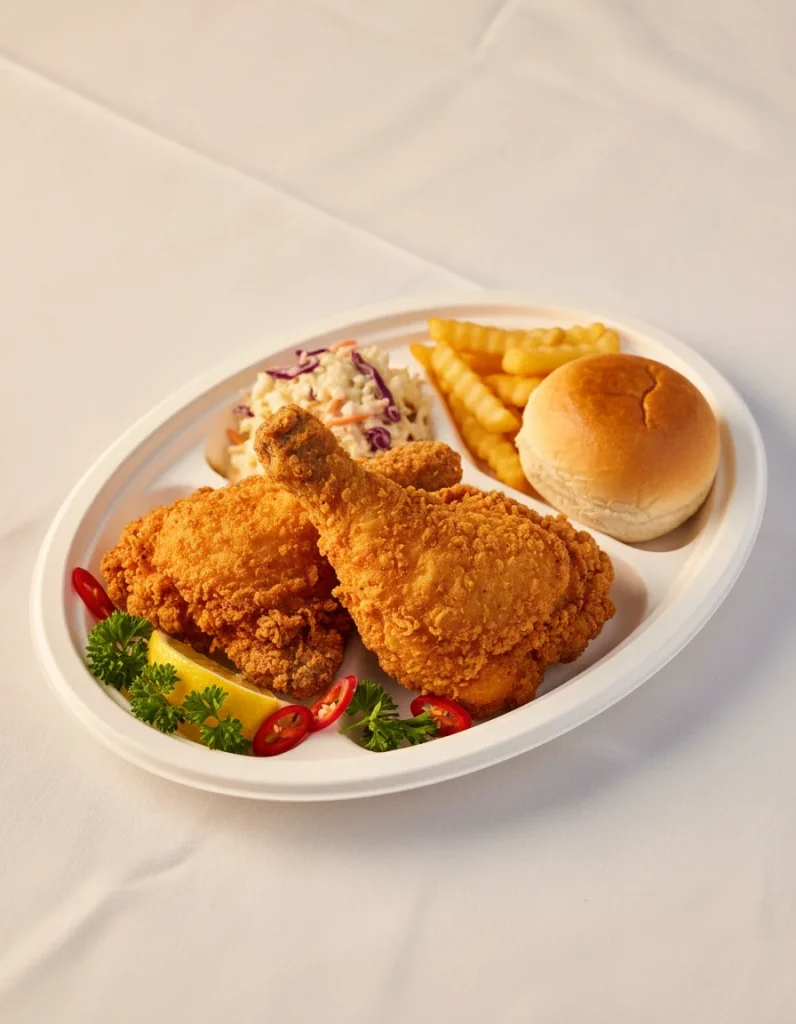
Delivery: The restaurant handles transport. You handle setup and serving. Best for events where you’re busy managing. Pickup: You transport. Better for events where you can control timing exactly. Choose based on whether you need restaurant handling, delivery logistics or you need full control of arrival timing.
Delivery Advantages
- Restaurant is responsible for transport
- You’re not driving with hot food
- Reduces your logistics stress
- Includes dropoff setup (usually)
- Better for events far from the restaurant
Delivery Disadvantages
- Delivery fee applies
- You have less control of exact arrival
- Requires access to event location (address, parking, setup area)
Pickup Advantages
- You control the exact timing
- No delivery fee
- Full control of food until serving
- Better for nearby locations
- Allows you to adjust timing if needed
Pickup Disadvantages
- You’re driving with hot food
- Requires your availability at a specific time
- More logistics stress on you
- Long drives reduce food quality (over 20 minutes)
Ask your location what they offer. Most accommodate both.
Keeping Catering Hot: Setup and Transport
How you handle food between the restaurant and the serving station determines whether it arrives hot or warm.
Keep catering hot: transport in insulated containers, set up on warming trays, keep backup in oven at 170°F, uncover right before serving, and expect 45 minutes of hot food before quality starts declining. Plan your serving timeline around this window. Food safety at events requires careful temperature management; Government of Canada – Food Safety for Events provides official guidance on keeping hot foods at safe temperatures during service.
Real steps:
Transport to Event
- Request insulated containers from the restaurant (or bring your own)
- Keep containers sealed during transport
- Don’t stop between the restaurant and the event
- Transport in a closed car trunk (holds heat better than the back seat)
Set up at the event
- Unpack containers immediately upon arrival
- Transfer to serving trays (keep original containers closed as backup)
- Place trays on warming trays or chafing dishes if available
- Cover with foil or lids until serving time
- Keep backup containers in the oven at 170°F
During Serving
- First 15 minutes: Peak hot and crispy
- 15–45 minutes: Still hot, texture slightly softer
- 45+ minutes: Warm, texture degrading
- Plan for about 45 minutes of good serving quality
Menu Strategy for Catering Events
The catering menu differs from walk-in ordering. You’re feeding a group, not individuals. Think variety and crowd-pleasing.
For catering, order chicken in mixed cuts (breasts, thighs, drumsticks, wings). Choose 2–3 sides that travel well (fries, coleslaw, poutine). Add one specialty item. Avoid heavily sauced items or things that degrade quickly. Keep it simple—crowds want familiar food, not experimentation.
Best Catering Menu
- Mixed chicken pieces (3.5/person)
- Coleslaw, large container (1 per 15 people)
- Fries a large container (1 per 20 people)
- Poutine large container (1 per 30 people, optional)
- Gravy on the side (1 extra for dipping)
Sides That Travel Well
- Coleslaw (stays fresh, no degradation)
- Fries (hold heat, taste fine even if cooled)
- Poutine (gravy keeps warm, reheats okay)
- Corn (simple, familiar, travels well)
Sides to Skip for Large Events
- Anything heavily sauced (cools fast, gets messy)
- Anything requiring assembly (complexity at the event)
- Items with delicate textures (travel rough, degrade)
Special Requests
- Dietary restrictions: Give 1 week’s advance notice
- Vegetarian/vegan options: Ask what’s available
- Gluten-free: Limited options, discuss in advance
- Allergen-free: Discuss thoroughly, get written confirmation
The Catering Advantage: Why Restaurants Handle It Better
Catering at scale is different from cooking at home or ordering takeout. You’re feeding unknown quantities with varying appetites and needs.
Fried chicken catering works because restaurants understand how to scale. We’ve cooked for 500 people. We know portion sizes, timing, and setup. We handle quality at scale because that’s our business. You handle your event.
The differences:
| Aspect | Home Cooking | Restaurant Catering |
| Portion accuracy | Guesswork | Experience-based |
| Timing reliability | Inconsistent | Guaranteed |
| Food quality at scale | Variable | Consistent |
| Transport knowledge | Minimal | Expert |
| Dietary accommodations | Difficult | Straightforward |
| Setup support | Limited | Included |
When you hire a professional catering service, you’re buying expertise you don’t have. Event professionals understand the logistics and planning details that make events successful; the Canadian Special Events Society brings together catering specialists and event planners who know how to coordinate food service with event flow.
Key Takeaways
- Fried chicken catering works because it scales well, travels well, and tastes good whether hot or room temperature
- Portions for catering average 3–4 pieces per person for main protein, scaled up for longer events or hungrier crowds
- Advance ordering 2–3 weeks ensures availability and allows the kitchen to staff properly
- Delivery vs. pickup depends on your location and available bandwidth; either works with proper planning
- Food transport and setup determine serving quality: insulated containers, quick arrival, warming trays, and a 45-minute peak-quality window
- Best tasting fried chicken in Sylvan Lake, as catering means letting professional handlers manage scaling and timing while you manage your event
Conclusion
Event catering is supposed to make your life easier, not harder. Fried chicken catering does exactly that. You order portions sized for your crowd, arrange timing that works, and let the restaurant handle the logistics.
On event day, you’re managing your guests, not cooking. The food arrives hot, stays fresh through your event, and nobody leaves hungry. That’s what professional catering means.Ready to simplify your next event? Contact our Sylvan Lake location orreach out directly to start planning your catering.